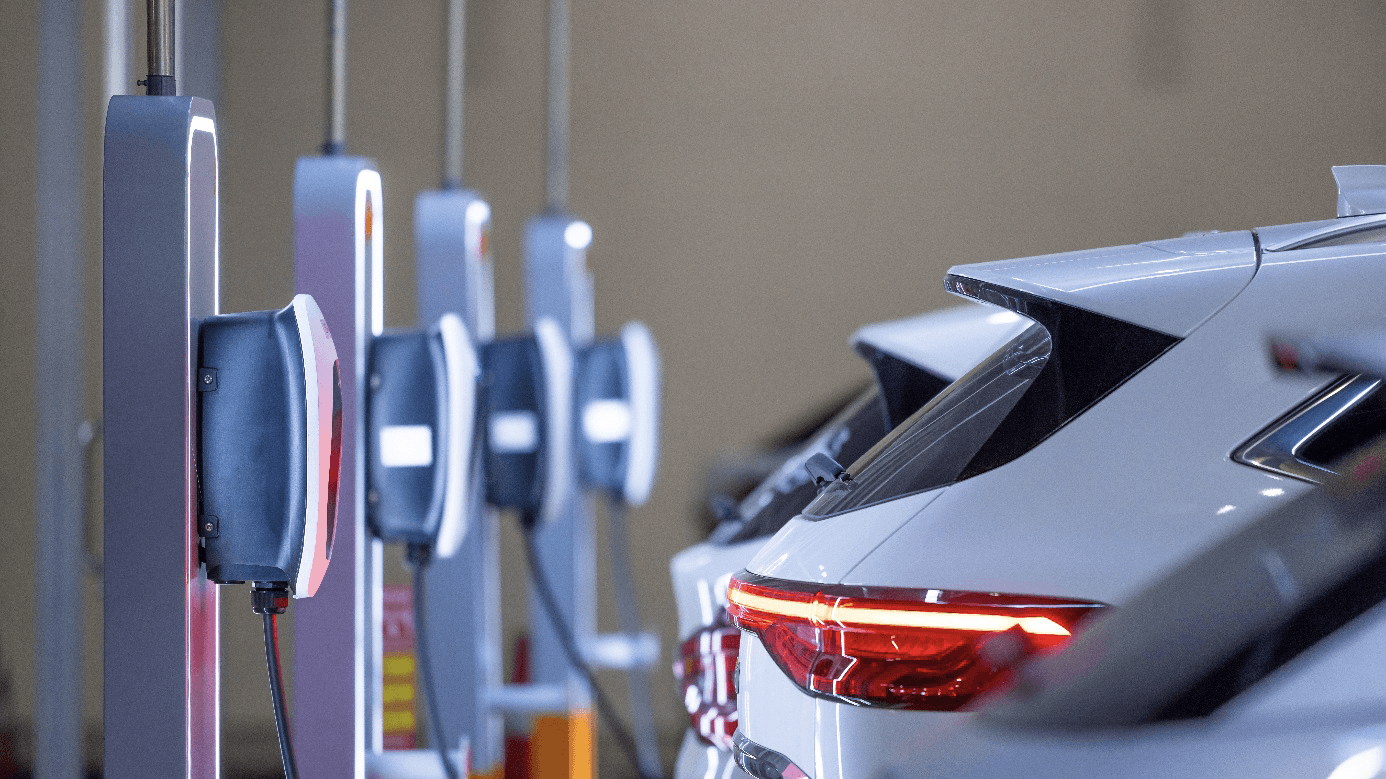
EV charging stations are a must for Belgian businesses in 2026
The electrification of the Belgian vehicle fleet is accelerating faster than ever. In 2025, the milestone of 100,000 public charging points was reached, placing Belgium among Europe’s frontrunners. Flanders, in particular, is driving this growth, with more than 77,000 installations alone. This rise is no coincidence: fiscal measures, changing mobility rules and new European obligations are strongly prompting businesses to take action. [vrt.be]
At the same time, pressure on businesses to make their mobility more sustainable is increasing. With changing tax treatment for company cars, stricter regulation and the rapid rise of electric vehicles, 2026 is the turning point at which charging stations are no longer an option, but an absolute necessity.
1. Explosive growth in electric company cars
The Flemish government has been encouraging electric driving for some time, but from 2024–2026 this trend is accelerating enormously. The company car market — accounting for two thirds of all new cars — is switching to electric on a massive scale. In 2023 alone, almost 100,000 new electric cars were added in Belgium. That number continues to increase exponentially in 2025 and 2026.
For businesses, this means one thing:
a larger electric fleet requires a reliable charging network on-site.
2. New legislation makes charging points on business premises mandatory
Since 1 January 2025, new obligations apply to businesses in Flanders:
Businesses with more than 20 parking spaces must provide at least two charging points.
For new-builds or major renovations, cabling must be in place to enable the installation of additional charging points in the future.
[ensatec.be], [vlaanderen.be]
The legislation is not only an obligation — it is an opportunity. Businesses that invest in charging infrastructure now future-proof their site and avoid high costs from later, necessary adjustments.
3. Charging stations are a strategic investment, not a cost
Electric mobility is accelerating rapidly:
From 2026, company cars running on fossil fuels will lose their tax deductibility.
Businesses must offer a mobility budget, making electric driving even more attractive for employees.
As a result, investing in charging stations is no longer a ‘nice to have’, but:
✓ a financial optimisation,
✓ an HR advantage for employees who drive electric,
✓ and a sustainability booster for the business.
4. Public and semi-public charging stations are growing explosively — businesses play a key role
According to De Tijd, more than 12,500 new charging stations were added in Flanders in 2023. Most of this growth comes from semi-public charging stations: charging points at supermarkets, industrial estates and business car parks.
This is not by chance:
Businesses have ideal locations for charging infrastructure.
They can offer charging stations to employees, customers and suppliers.
Semi-public charging stations deliver additional visibility and potential revenue.
In other words: businesses are becoming a central link in the national charging infrastructure
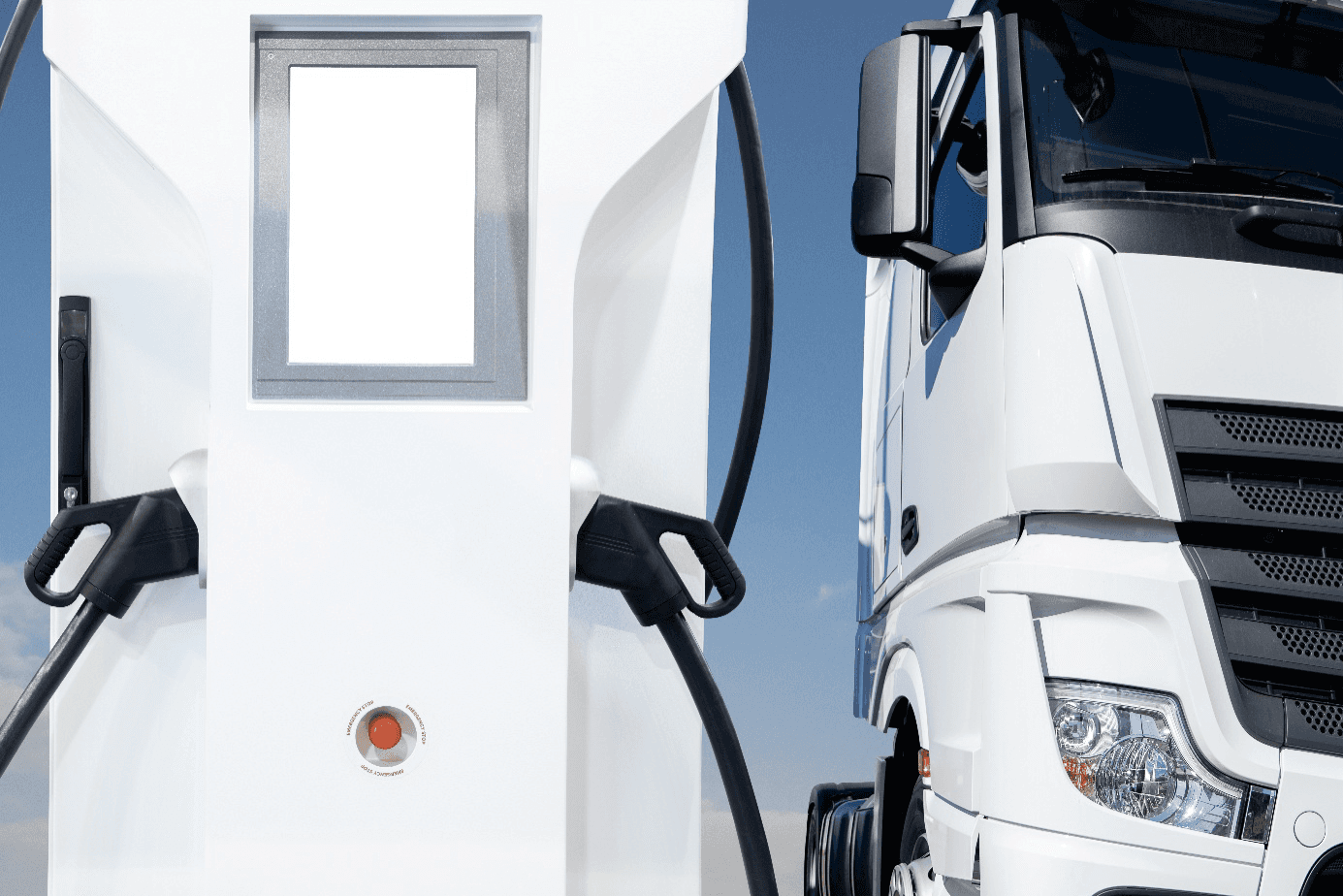
5. The future: 220,000 charging points needed by 2030
During the Charging Infrastructure Congress ‘26, the message from policymakers and energy suppliers was clear:
Belgium must grow to 220,000 public charging points by 2030 to support the expected 2 million electric vehicles.
This ambitious objective can only be achieved if businesses invest massively in charging solutions.
6. Smart charging is becoming the norm
Charging stations are increasingly being intelligently managed:
Load balancing prevents overloading of the grid connection.
Smart charging takes dynamic electricity prices into account.
Integration with solar panels lowers energy costs.
Data platforms help businesses manage employees’ charging costs.
For businesses, this means: lower costs, more control and optimal energy use.